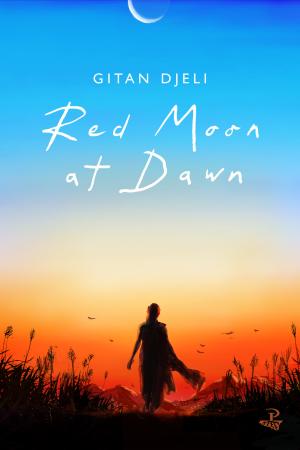
In Red Moon At Dawn, the long shadow of empire stretches over Mauritius. As World War II rages in Europe, islanders face their own, related battles: food shortages, rising prices and a workers’ strike met with lethal colonial force. In this poetic novel, these events are seen through the perceptive but very different eyes of two young women growing into their sense of who they are, and what Mauritius is.
In Red Moon At Dawn, the long shadow of empire stretches over Mauritius. As World War II rages in Europe, islanders face their own, related battles: food shortages, rising prices and a workers’ strike met with lethal colonial force. In this poetic novel, these events are seen through the perceptive but very different eyes of two young women growing into their sense of who they are, and what Mauritius is. Framed through the voices of the rebellious Valerie, a teenage activist, poet and would-be playwright, whose family is divided in their response to the harsh conditions of the sugar estate, and the younger, orphaned and sheltered Anarka, granddaughter of the British-respecting sirdar, but with a different model in her radical and lesbian aunt, Red Moon At Dawn reveals both the emotional cost of empire and the resources on which the characters draw in their resilience and resistance to colonial oppression. Family secrets, adolescent sexual awakening, the divisive distinctions of social status in a colonial sugar economy, race relations and the value of holding onto their ancestral Indian heritage, which contains both patriarchy and resistance to it, are just some of the issues that Valerie, Anarka and their friends encounter. Not least of the novel's qualities is the way its author makes poetry of the language of a society split between the English of the colonial power, the Mauritian French Creole spoken by the people and the surviving Indian languages of the older workers.